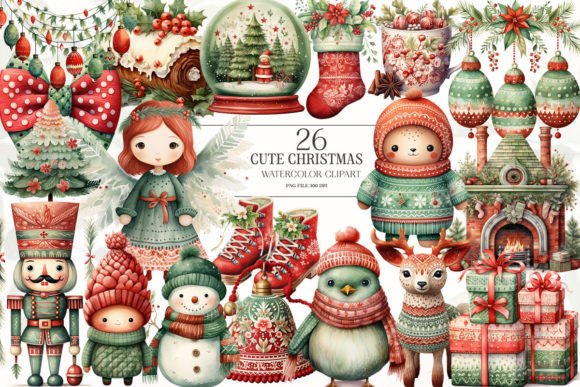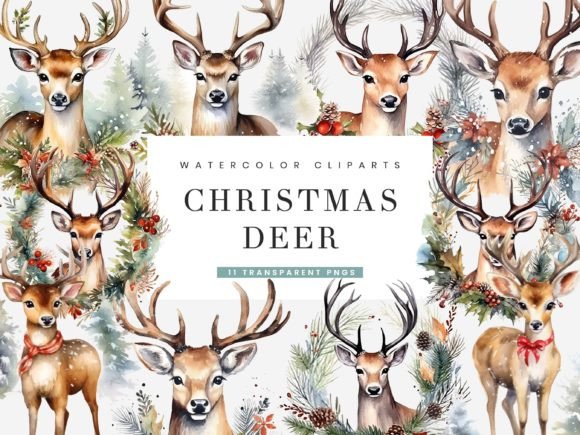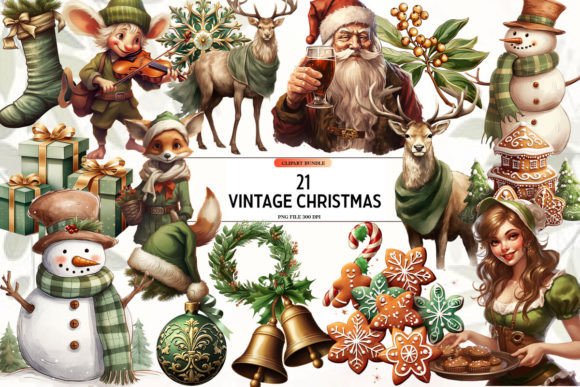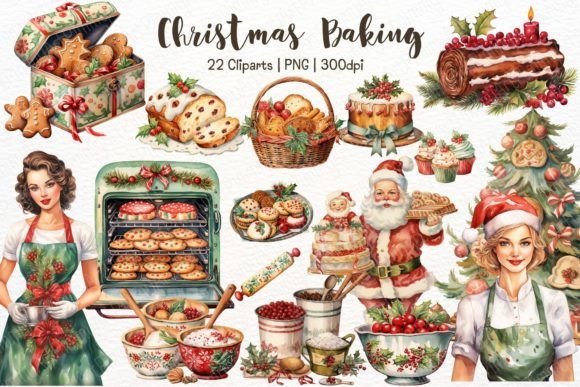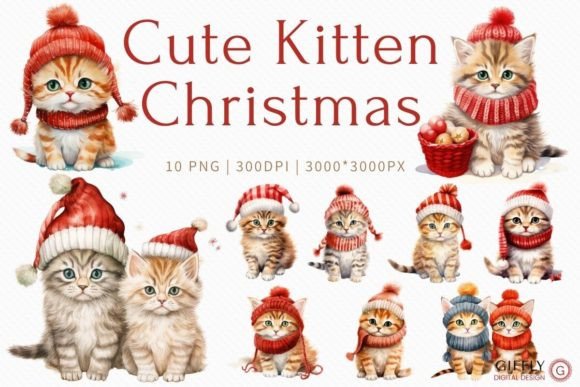
Cute Kitten Christmas Watercolor Clipart Review
As a designer who spends more time staring at stitch maps than most people spend looking at their phones, I approach every new digital embroidery file with a mix of excitement and skepticism. We have all been burned by beautiful previews that turn into thread nests on the hoop. So, when I recently pulled up the Cute Kitten Christmas Watercolor Clipart to evaluate it for a holiday client order, I didn't just look at the colors; I looked at the structure. This isn't just about whether a design is "cute." It is about whether it survives the transition from a flat Illustrations category image to a textured, washable, wearable piece of art.
First Impressions: Mood and Stitch Potential
The first thing that strikes you about this design is its softness. In the world of machine embroidery design, we often deal with hard edges and rigid fills. However, this specific kitten motif captures that elusive watercolor bleed without losing definition. The visual personality is undeniably cozy, evoking the feeling of a quiet winter morning. For an Etsy seller or a boutique owner, mood sells just as much as quality. This design screams "handmade warmth," which is exactly what customers want during the holidays.
From a technical standpoint, the layout suggests a thoughtful balance between satin stitch outlines and softer fill stitch areas. The shape of the kitten is rounded and friendly, avoiding sharp corners that often cause thread breaks or puckering. When I imagine this stitched out, I see a design that relies heavily on thread colors blending well. If you are planning to use this for a personalized gift, the gentle gradients implied in the watercolor style will need careful thread selection to maintain that artistic feel without looking muddy.
Real-World Application: The Holiday Tote Scenario
To truly test the viability of any embroidery project, I like to simulate a real-life scenario. Let's say I am preparing a run of custom tote bags for a local craft fair. These aren't just any bags; they are heavy canvas totes meant for carrying groceries and gifts. Here is where Cute Kitten Christmas Watercolor Clipart shines. The subject matter fits perfectly with seasonal marketing, but the scale is crucial.
If I were to place this on a tote bag design, the details would hold up well against the coarse fabric texture of canvas. The kitten's features are distinct enough to be recognized from a distance, which is vital for retail displays. However, if I were pitching this to a client for a sweatshirt embroidery project, I would pause. Sweatshirts often have a fleece backing or a looped interior that can interfere with dense stitching. The watercolor effect might get lost if the fabric is too fuzzy. For a smooth cotton blend or a structured apron, though, this design would look pristine.
For baby embroidery, the softness of the theme is a major win. Parents love gentle imagery for nursery decor or onesies. But here, the stitch density becomes a safety and comfort concern. A dense design on a tiny baby garment can feel stiff and scratchy. I would recommend testing this on scrap fabric first to ensure the back of the stitching is clean and doesn't irritate sensitive skin. If the density is too high, it might need editing before being used on infant wear.
Navigating Fabric Challenges and Hoop Constraints
No design is universal, and honest reviews must address limitations. While Cute Kitten Christmas Watercolor Clipart is charming, it requires respect for the medium. One area of caution is hoop size. If your machine has a small maximum hoop, you might be forced to shrink the design. Shrinking a watercolor-style illustration can cause the fine details to merge, turning distinct whiskers or eyes into a blob of thread. Always check the minimum recommended size before committing to a custom apparel run.
Textured fabrics present another hurdle. On a waffle knit or a thick towel, the "watercolor" illusion might break up because the needle cannot penetrate evenly across the peaks and valleys of the weave. For these materials, a simpler running stitch outline or an applique design approach might actually serve the image better than a full fill. Additionally, dark fabrics can be tricky. If the original clipart relies on white space for highlights, stitching it onto black fabric requires a solid underlay or a creative reinterpretation of the color palette to ensure the kitten doesn't disappear into the background.
Curved surfaces like caps are perhaps the most demanding. The stiffness required to keep the cap shape combined with the curve of the front panel can distort a detailed illustration. Unless you are an experienced digitizer who can adjust the pull compensation, I would advise against using this specific intricate design on a baseball cap unless it is significantly simplified.
Commercial Value and Brand Consistency
For those running a craft business, the bottom line is how a design affects your brand perception. Using a high-quality, well-thought-out image like this builds customer trust. It shows that you care about the aesthetics of your finished product. A sloppy or poorly chosen design can make even the best stitching look amateurish. Conversely, a design that aligns with current trends, like watercolor animals, can boost buyer engagement on social media and in printable mockup galleries.
This design works exceptionally well for creating cohesive collections. Imagine a series of holiday items featuring this kitten alongside matching text or complementary icons. This consistency helps in building a recognizable small shop product line. Whether you are selling embroidered patches, pillow covers, or kitchen towels, the versatility of the kitten theme allows for cross-promotion. It adds value to your design assets library, giving you a go-to option for clients who want something festive but not overly traditional.
Practical Notes for the Professional Embroiderer
Before you load this into your machine for a paid order, there are a few non-negotiable steps. First, always verify the license. Just because a file is available does not mean it is cleared for commercial embroidery use. Ensure you have the rights to sell items made with this design. Second, conduct a stitch-out test on the actual fabric you intend to use. Thread tension varies between machines, and what looks good on one might pucker on another.
Pay close attention to the stabilizer. For a design with varied densities like a watercolor effect, using the wrong stabilizer can lead to shifting or distortion. A cut-away stabilizer is often safer for garments that will be washed frequently, while a tear-away might suffice for decorative wall hangings. Also, consider doing a black-and-white test stitch. This removes the distraction of color and lets you see if the contrast and definition of the stitches are sufficient.
Finally, think about the end user. Will this item be thrown in the dryer weekly, or will it hang on a wall? If it is for heavy use, ensure the thread colors are colorfast and the stitching is secure. The beauty of Cute Kitten Christmas Watercolor Clipart lies in its delicate appearance, but its success in the real world depends on robust execution. By respecting the nuances of the design and the limitations of the fabric, you can turn a simple digital file into a cherished heirloom or a best-selling holiday item.