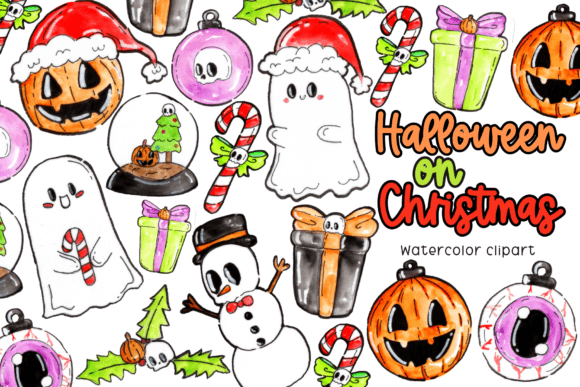
Halloween Christmas Clipart: Pro Illustrations Review
As a digital publisher who has spent over a decade refining the visual identity of high-traffic blogs and affiliate sites, I have learned one undeniable truth: readers judge content by its cover before they read a single word. In the crowded landscape of content marketing, your graphic design asset choices are not merely decorative; they are functional tools that drive engagement, establish trust, and define your brand identity. Recently, I evaluated a specific collection titled Halloween Christmas Clipart to determine its viability for real-world publishing workflows. This review breaks down how these Illustrations perform in actual editorial environments, from Pinterest pins to downloadable lead magnets.
First Impressions and Editorial Mood
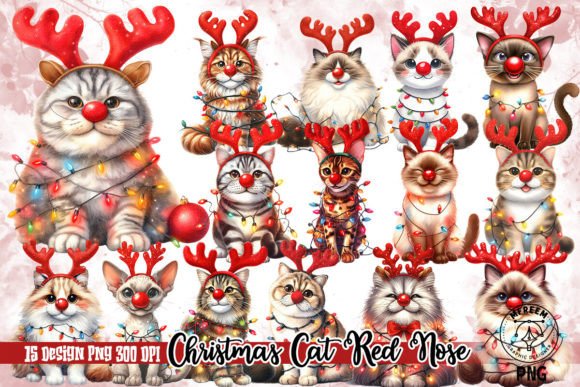
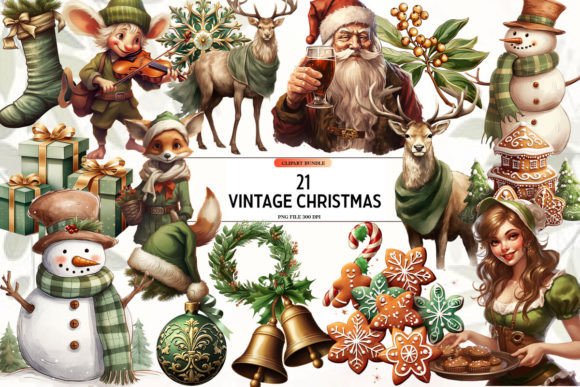
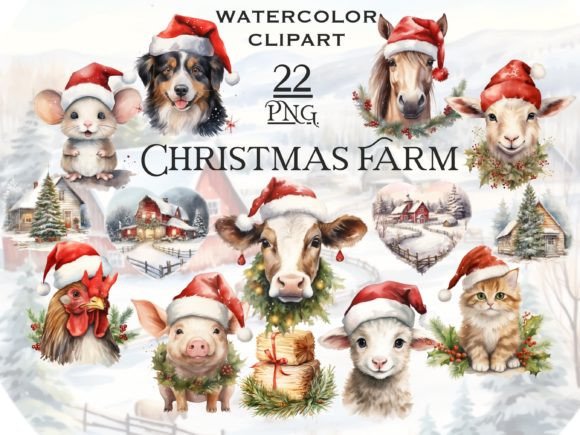
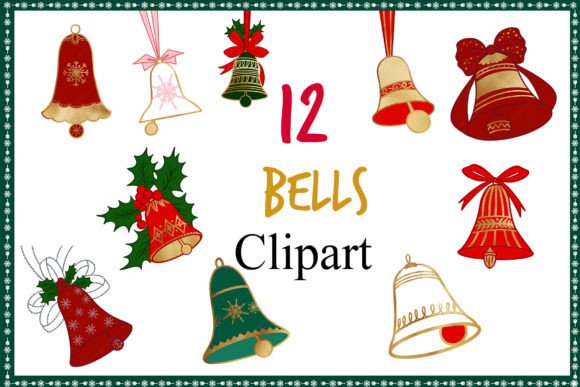
When I first opened the files for Halloween Christmas Clipart, my immediate observation was the unique juxtaposition of seasonal themes. Typically, holiday assets are siloed strictly into October or December categories. This collection, however, bridges the gap with a playful, whimsical aesthetic that feels both nostalgic and modern. The mood is distinctly lifestyle-focused yet retains enough artistic integrity to suit educational or family-oriented niches. For publishers targeting audiences interested in DIY crafts, seasonal recipes, or family activities, this visual style creates an instant emotional connection. It feels approachable, warm, and intentionally curated, which is essential for building reader loyalty in competitive verticals.
The quality of the lines and the color palette suggest a hand-drawn origin, refined for digital clarity. This matters because modern web users are savvy; they can spot low-effort stock imagery instantly. These design assets avoid that pitfall by offering a cohesive look that suggests professional creative design rather than generic clip art. Whether you are aiming for a bold, decorative look or a softer, feminine aesthetic, the versatility here allows for significant customization within your existing web design framework.
Integrating Assets into Real Publishing Workflows
The true test of any digital download is its utility in daily operations. I tested Halloween Christmas Clipart across several key touchpoints in a standard content publishing workflow. Here is where these assets shine:
- Pinterest Graphics: Vertical pins require high-impact visuals that stand out in a crowded feed. The distinct shapes and vibrant colors of these illustrations create excellent visual hierarchy, drawing the eye to the pin title and increasing click-through potential.
- Blog Featured Images: Using these elements as overlays on photography or as standalone headers adds a layer of professionalism. They help categorize content visually, allowing regular readers to recognize seasonal series instantly.
- Newsletter Headers: Email marketing relies heavily on visual cues to boost open rates. Incorporating these graphics into newsletter banners signals timely, relevant content without overwhelming the text.
- Digital Products and Lead Magnets: If you create eBooks, worksheets, or printable planners, these assets elevate the perceived value of the product. A well-designed cover using high-quality Illustrations can significantly impact conversion rates for affiliate marketing offers or direct sales.
- Social Media Graphics: Beyond Pinterest, these images work well for Instagram stories and Facebook posts, providing a consistent look across platforms that strengthens small business branding.
Enhancing Content Performance and Reader Trust
Why does this matter for your bottom line? Consistent, high-quality visuals reduce cognitive load for your visitors. When a user lands on your site and sees polished blog graphics that align with the headline, their trust in your expertise increases. Halloween Christmas Clipart supports this by providing a professional veneer that makes even simple blog posts feel like premium editorial design pieces. This consistency aids in category recognition; over time, your audience will associate this specific visual style with your brand, fostering a stronger community connection.
Furthermore, in the realm of commercial design, uniqueness is currency. Using generic assets can make your site look like every other affiliate blog. By leveraging distinctive Illustrations, you differentiate your content. This differentiation is crucial for content marketing success, as it encourages social sharing and backlinks, both of which are vital for SEO performance.
Strategic Placement and Usage Caution
While versatile, these assets are not a one-size-fits-all solution. They work best in contexts that allow for visual breathing room. Ideal placements include hero images, article thumbnails, and dedicated Canva template designs for social media. However, caution is required in certain scenarios. Avoid using these detailed illustrations on small mobile thumbnails where intricate lines may blur or become indistinguishable. Similarly, do not place them over busy, low-contrast backgrounds, as this compromises readability and accessibility.
For publishers in strictly corporate, financial, or serious professional niches, the playful nature of Halloween Christmas Clipart may clash with the desired tone of authority and minimalism. In such cases, reserve these assets for lighter, behind-the-scenes content or holiday-specific announcements rather than core educational material. Always prioritize visual hierarchy; if the graphic competes with your headline for attention, scale it back or reduce its opacity.
Practical Publisher Notes for Implementation
Before integrating any new graphic design asset into your live site, rigorous testing is non-negotiable. Here is my checklist for ensuring optimal performance:
- Device Testing: Preview the assets on both desktop and mobile screens. Ensure that details remain clear on smaller displays and that file sizes do not slow down page load times.
- Typography Pairing: Test the illustrations alongside various font styles. They often pair beautifully with handwritten or script fonts for a cozy feel, but can also anchor bold sans-serif headlines for a modern look. Check contrast and readability carefully.
- File Optimization: Always compress images for web use. Large, uncompressed files hurt SEO and user experience. Use tools to reduce file size without sacrificing visual quality.
- Licensing Verification: Confirm the commercial license terms. If you are using these on monetized websites, in paid digital guides, or for client work, ensure you have the right to do so. Most assets from reputable creative marketplace sources offer clear licensing, but always double-check.
- Contextual Preview: Place the asset inside a real blog layout before publishing. See how it interacts with your sidebar, ads, and related post widgets. Adjust margins and padding to ensure a clean, professional presentation.
In conclusion, Halloween Christmas Clipart represents a valuable addition to the toolkit of any serious content creator. It offers the flexibility needed for diverse printable design projects and digital campaigns while maintaining the high standards required for professional website header and editorial applications. By treating these Illustrations as strategic components of your brand identity rather than mere afterthoughts, you can enhance reader engagement, improve click-through rates, and elevate the overall perception of your digital presence. For bloggers, educators, and entrepreneurs looking to refine their seasonal content strategy, this collection provides the polish and personality needed to stand out in a saturated digital landscape.