Reviewing Watercolour Christmas Penguins for Stitching
As a designer who has spent years translating digital art into thread, I approach every new machine embroidery design with a mix of curiosity and skepticism. We have all been there: you download a file that looks stunning on the screen, only to find it turns into a puckered mess or an indistinguishable blob once the needle hits the fabric. This is why I took a close look at Watercolour Christmas Penguins. It falls under the category of Illustrations, which immediately raises questions about how those soft, painterly edges will translate into the rigid geometry of stitches.
The First Impression: Mood and Visual Personality
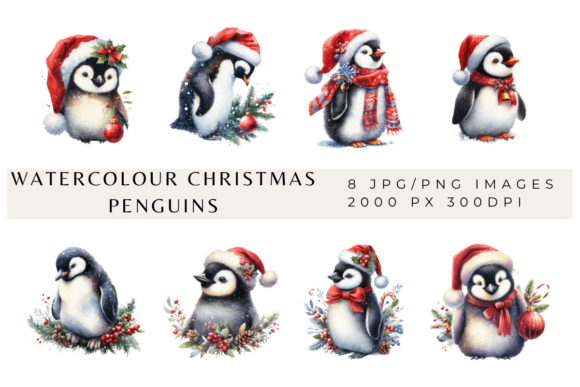
The first thing that strikes you about Watercolour Christmas Penguins is its gentle, whimsical mood. Unlike traditional holiday designs that rely on sharp, high-contrast lines and saturated reds and greens, this piece leans into a softer aesthetic. The watercolour style suggests a dreamy, nostalgic winter scene. For an embroidery reviewer, this is both a challenge and an opportunity. The lack of hard outlines means the design relies heavily on color blending and stitch direction to define the shapes of the penguins and their surroundings.
Visually, the layout feels balanced. The penguins are not just slapped onto the canvas; they interact with the space in a way that suggests movement and personality. This visual personality makes it ideal for projects where you want to evoke warmth rather than just festive loudness. It feels less like a commercial logo and more like a piece of art, which significantly impacts how a customer perceives the value of the finished product.
Real-World Application: A Case Study
To truly evaluate this design, I imagined a specific real-life scenario: creating a custom holiday gift line for a small boutique client. The goal was to produce a set of premium tote bag designs and matching sweatshirt embroidery pieces for a local coffee shop’s December promotion. The client wanted something that felt handmade and artisanal, avoiding the cheap look of mass-produced holiday gear.
In this context, Watercolour Christmas Penguins shines. On a natural cotton canvas tote, the soft edges of the watercolour style mimic the texture of the fabric itself. When stitched out, the design does not look like a plastic sticker applied to the bag; instead, it looks integrated. For the sweatshirts, I envisioned placing the design on the left chest area. The scale is perfect for this placement—large enough to be recognized as penguins, but small enough to remain subtle and sophisticated. This kind of application builds customer trust because it shows attention to detail and design cohesion, key factors for any Etsy seller or craft business owner looking to stand out.
Performance on Different Fabrics and Hoops
One of the critical aspects of reviewing any embroidery file is understanding its limitations. Watercolour effects in embroidery are typically achieved through varying stitch density and careful selection of thread colors. This means the design performs differently depending on the substrate.
On stable, medium-weight fabrics like cotton twill, linen, or denim, the design holds up beautifully. The fill stitch areas lay flat, and the color transitions are smooth. However, caution is needed when working with textured fabrics or thin materials. On a fluffy towel or a loosely woven knit, the finer details of the penguins’ features might get lost. The soft edges could blend too much with the fabric texture, reducing clarity.
For baby embroidery projects, such as onesies or burp cloths, the design is charming, but you must consider the hoop size and stability. Babies move, and their clothes undergo frequent washing. If the stitch density is too high in certain areas to create the watercolour effect, it could make the fabric stiff or uncomfortable against sensitive skin. Always test on scrap fabric first. I recommend using a cut-away stabilizer for garments that will be washed often, as it provides better long-term support than tear-away options, ensuring the design retains its shape and the handmade product remains durable.
Navigating Technical Challenges
While the aesthetic is appealing, there are technical considerations. Watercolour styles often require a higher number of thread color changes to achieve the gradient effect. This can increase production time, which is a crucial factor for commercial embroidery operations. If you are running a small shop, you need to calculate whether the extra time spent on thread changes is justified by the higher perceived value of the item.
Additionally, pay close attention to the small details. In watercolour designs, tiny elements like eyes or beaks might be rendered with very few stitches. On curved surfaces like caps or hats, these small details can distort if the hooping tension is not perfect. I advise inspecting the design zoomed in at 400% before stitching. Check if the satin stitch borders are wide enough to cover the fabric edge without gaping. If the design includes any text or tiny accents, ensure they are large enough to be legible after stitching. If not, consider simplifying or removing those elements for smaller hoop sizes.
Enhancing Brand Consistency and Value
For digital product sellers and creative entrepreneurs, the choice of design assets directly influences brand consistency. Watercolour Christmas Penguins offers a cohesive look that can be used across various products, from embroidered patches to pillow covers. This versatility allows for a unified holiday collection. When customers see the same artistic style on a tea towel, a tote, and a patch, it reinforces brand recognition.
The design also enhances giftability. Items featuring this design feel personal and thoughtful, making them excellent personalized gifts. Whether it is for a wedding gift with a winter theme or a simple holiday embroidery present for a friend, the soft aesthetic appeals to a broad audience. It avoids the cliché of traditional holiday motifs, offering a fresh take that can attract buyers looking for something unique.
Practical Designer Notes for Best Results
Before you commit to producing a full batch of items, here are some practical steps to ensure success with this design:
- Test on Scrap Fabric: Always stitch a test sample on the exact fabric you plan to use. This helps you identify any issues with tension or density.
- Check Thread Color Contrast: Watercolour effects rely on subtle shifts in hue. Ensure your thread palette has enough variation to show these gradients. Using threads that are too similar in shade can make the design look flat.
- Review Stitch Density: High density can cause puckering, especially on lighter fabrics. If possible, adjust the density settings in your software or choose a design version optimized for your material.
- Confirm Hoop Size: Make sure the design fits comfortably within your hoop with adequate margin for stabilizer. Crowding the hoop can lead to distortion.
- Inspect Small Details: Zoom in to check the integrity of small elements. Ensure they are not so fine that they will break or disappear during washing.
- Test in Black and White: Convert your mockup to black and white to check for contrast. If the design loses its definition in grayscale, it may lack sufficient contrast in real life.
- Compare Light and Dark Backgrounds: See how the design looks on both light and dark fabrics. You may need to adjust thread colors or add a backing layer for dark fabrics to ensure visibility.
- Use Proper Stabilizer: Match the stabilizer to the fabric weight and stretch. Incorrect stabilization is the most common cause of poor embroidery results.
- Check Licensing: Before selling finished items or using the design in commercial projects, confirm the license terms. Ensure you have the right to use the digital embroidery file for commercial purposes.
In conclusion, Watercolour Christmas Penguins is a strong contender for designers looking to add a touch of artistic flair to their holiday collections. It requires careful handling and technical awareness, but the result is a sophisticated, eye-catching design that elevates any embroidery project. By understanding its strengths and limitations, you can leverage this asset to create high-quality, memorable products that resonate with customers.